







Search Results for: single-origin pour-over beans
SOE Single-Origin Espresso | Which pour-over single-origin beans are suitable for making SOE coffee? What are the differences between single-origin pour-over and single-origin espresso?
SOE is one of the most popular products in today's specialty coffee shops and coffee chains. It is an espresso extracted from single-origin (single-origin) coffee beans. Its characteristic is that even at a very high concentration, the coffee liquid can still express the unique flavor profile of the coffee's origin. [more…]
Espresso Blend Bean Flavor Recommendations | What's the Difference Between Espresso Blend Beans and Pour-Over Single-Origin Beans? What Happens If You Use Espresso Beans for Pour-Over Coffee?
With the growing specialty coffee market, many people have begun to explore espresso and pour-over coffee. Coffee enthusiasts who regularly drink espresso know that the coffee beans used for espresso are blended coffee beans, while those used for pour-over coffee are single-origin coffee beans. So what is the difference between the two? Can espresso beans be used to make [more…]

Black Coffee Bean Varieties | What's the Difference Between Single-Origin Pour-Over Beans and Espresso Blend Beans? Can Espresso Blend Coffee Beans Be Used for Pour-Over Black Coffee?
With the development of specialty coffee, more and more people are falling in love with single-origin coffee. Two types of coffee have emerged on the market: single-origin coffee beans and blended coffee beans. Single-origin coffee beans are generally used for making pour-over coffee, though many specialty coffee shops also use single-origin coffee beans to make espresso. Blended coffee beans [more…]
Pour-Over Single-Origin Coffee Tasting | Which Specialty Arabica Coffees Are Good for Pour-Over? 8 Must-Buy, Affordable, High-Quality Single-Origin Pour-Over Coffee Beans for Beginners
With the rise of third-wave specialty coffee culture in recent years, more and more people have fallen in love with "single-origin coffee." So-called "single-origin coffee" refers to coffee beans from a single growing region, and it usually also means higher-quality coffee; in roasting, adjustments are made to suit the characteristics of the origin and variety, so as to present the coffee in its purest form. [more…]
Home Coffee Beans | Which Tastes Better: Single-Origin, Pour-Over, or Blend Coffee? Must-Buy Quality Coffee Bean Recommendations for Beginners Using Pour-Over, Espresso, or Moka Pot
If you enjoy drinking coffee, you may come across several terms related to coffee bean classification: "blended coffee beans," "single-origin coffee beans," and "pour-over coffee beans." In this article, we will uncover the meanings behind these terms and help beginners understand how to choose the right coffee beans for home use. 1. Blended coffee [more…]
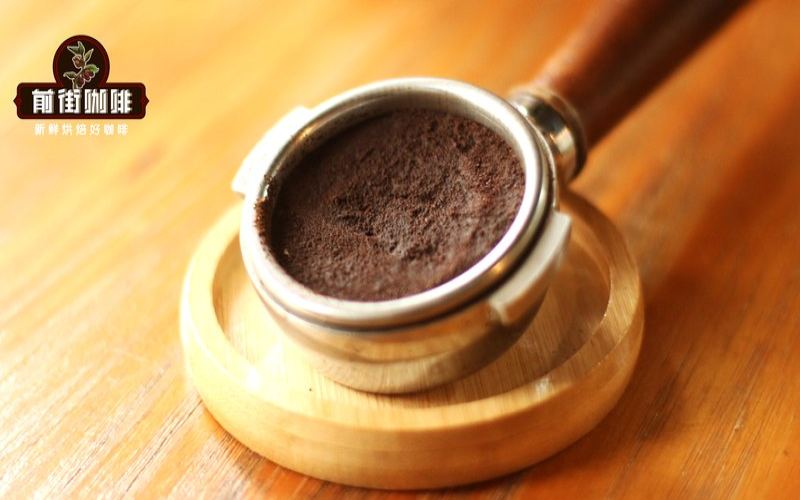
Recommendations for Single-Origin Pour-Over Coffee Beans with Mild Acidity and Bitterness: Balancing Budget and Drinking Frequency
To talk about single-origin pour-over coffee beans with a mild balance of acidity and bitterness, we have to start with the actual taste in the cup. When buying beans for everyday use, you need to consider how quickly you'll drink them, how much to buy at a time, and whether your home mainly makes black coffee or milk coffee. The roast level of the beans determines the basic flavor, the origin and processing method bring differences in aroma, and the equipment you use will change the strength—so when choosing beans, [more…]
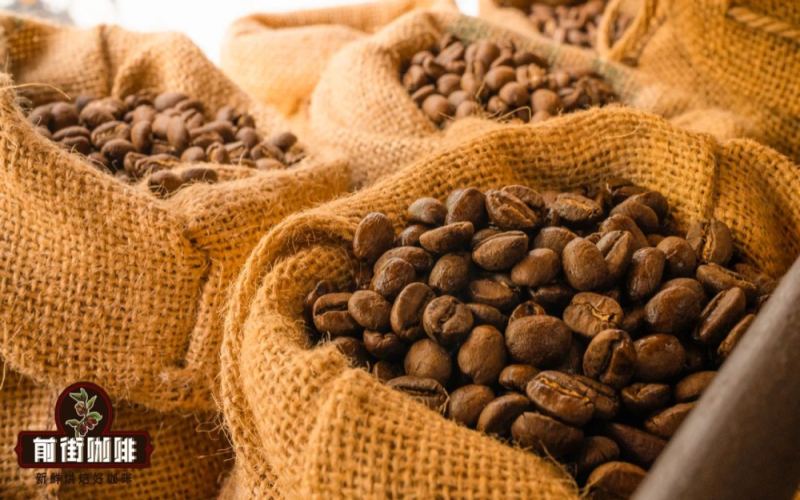
Hand-Brewed Espresso Blend Beans | Can Espresso Blend Beans Be Used for Pour-Over Coffee? Specialty Espresso Blend Coffee Beans Recommended for Gourmet Lattes
Whether it's espresso beans or espresso blends, as the name suggests, they are ingredients used for extraction in espresso machines, which is also the origin of espresso. So what are the characteristics of this kind of coffee? Besides making espresso, can it also be used to make pour-over coffee? Front Street Coffee (FrontStreet Coffee [more…]
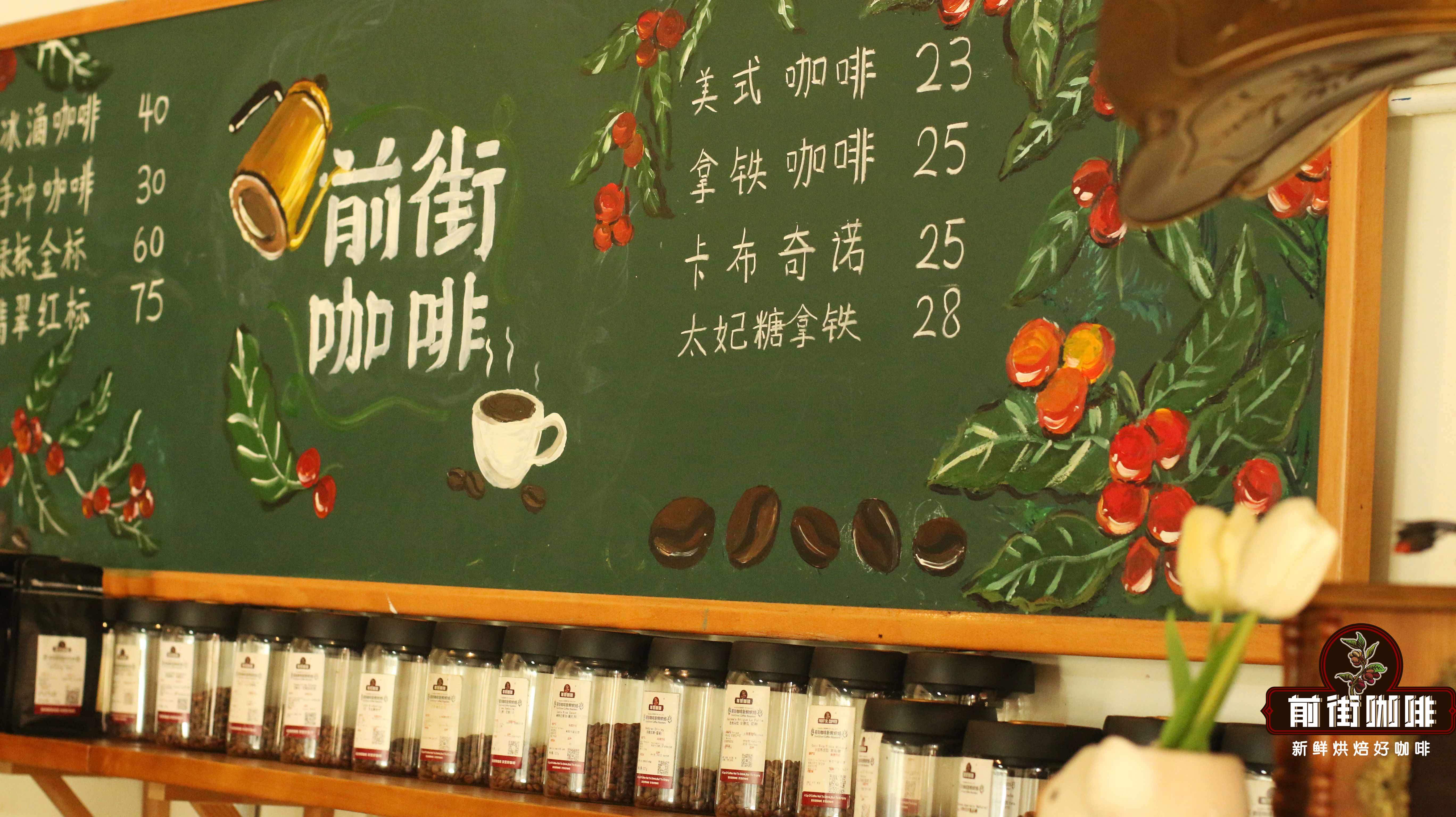
Single-Origin Espresso (SOE) characteristics | Which coffee beans make espresso that isn't sour? Can pour-over single-origin beans be used as SOE coffee beans?
For more specialty coffee knowledge, please follow: Front Street Coffee (Frontsteet Coffee) In some coffee shops, there is such an option, SOE. SOE stands for Single Origin Espresso. Many specialty coffee shops [more…]
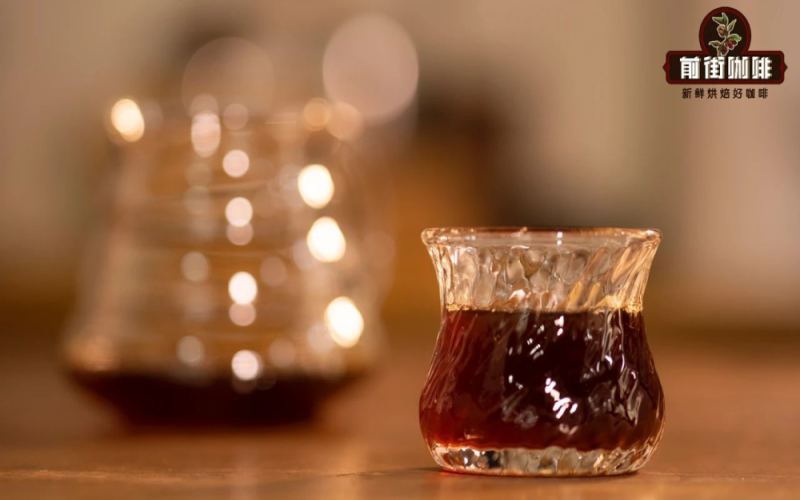
Pour-over coffee brewing techniques | What are the characteristics of single-origin coffee? What are some recommended high-value pour-over specialty coffee beans suitable for coffee beginners?
Front Street Coffee (FrontStreet Coffee) Introduction - Single-Origin Coffee Recommendations. Single-origin coffee best expresses the unique regional character of coffee beans. Due to differences in the geographical regions of various countries, some are more acidic and some more bitter, and the roasting style of the roaster can also change the bean's character. For coffee beginners, [more…]
Roast Level Determines How to Choose Single-Origin, Pour-Over, and Blends
From light roast to dark roast, coffee beans change not only in color, but also in aroma, sweetness, acidity and mouthfeel weight. Single-origin emphasizes the personality of a certain origin or batch, while a blend combines the characteristics of different beans; pour-over is an extraction method, and is not the same as a fixed type of bean. Keep these concepts separate, and then, from [more…]
Single-Origin, Pour-Over, or Blend: How to Choose—Understanding Coffee Flavor from Light to Dark Roast
Whether to buy single-origin or blended coffee beans, and whether they suit pour-over or espresso, can often first be judged by the roast level. Light roasts retain more distinct origin character, often with floral notes, fruity acidity, and a bright, clean mouthfeel; medium roasts strike a more balanced profile of sweetness, aroma, and body; dark roasts lean more toward cocoa, nut, and roasted flavors. There is no fixed answer—what matters [more…]
SOE Specialty Coffee Beans Recommendation | What's the Difference Between SOE Coffee Beans and Espresso Blend Coffee Beans? Can Ethiopian Natural Red Cherry SOE Single-Origin Beans Be Used for Pour-Over Coffee?
For more specialty coffee knowledge, please follow the WeChat official account: Front Street Coffee (FrontStreet Coffee). In recent years, as the wave of specialty coffee has swept in, SOE coffee has also begun to gather momentum, so recently quite a few coffee enthusiasts visiting Front Street have asked why Front Street's shop doesn't offer SOE coffee. [more…]
Flavor Characteristics of Pour-Over Blend Coffee Beans | Can Blend Coffee Beans Be Used to Brew Pour-Over Black Coffee? How to Choose Pour-Over Blend Coffee Beans?
For more specialty coffee knowledge, please follow our WeChat official account: FrontStreet Coffee. Blended coffee beans are commonly found in espresso, but are rarely seen in pour-over coffee. So, will blended coffee beans taste good when brewed as pour-over? - Understanding blended coffee beans [more…]
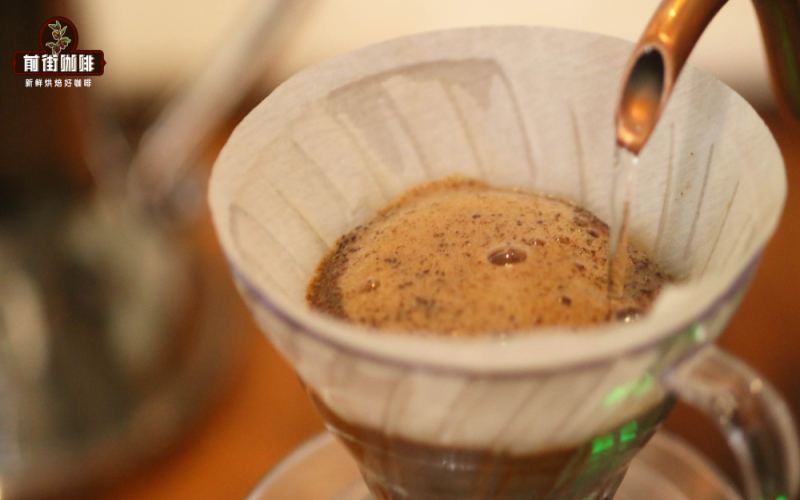
Italian Coffee Bean Varieties | What's the Difference Between SOE Coffee and Pour-Over Single-Origin Beans? What Specialty Coffee Beans Are Recommended for Espresso Machines?
In contrast to traditional espresso blends, SOE (Single Origin Espresso) is espresso made from coffee beans from a single origin. With its novel concept and a taste profile mainly featuring a fresh acidity, it has become a flagship product in many coffee shops in recent years, and some friends [more…]

SOE Coffee Brewing Ratio | Which coffee beans are rich and sweet with a lingering aftertaste? What flavors does SOE single-origin espresso have? Are there coffee beans that work for both pour-over and SOE?
For more specialty coffee knowledge, please follow: Front Street Coffee (Frontsteet Coffee). Coffee is a global beverage. In addition to the diversity of brewing methods, it can also rely on different extraction methods to produce coffees with different flavors and mouthfeels, whether visually or in tasting. [more…]
SOE Coffee Beans | What is the full name of SOE? Are SOE beans used for espresso or pour-over coffee? How big is the difference between SOE beans and single-origin pour-over beans?
More and more specialty coffee shops on the market are seeing a trend of SOE espresso, and many friends who come to Front Street Coffee (FrontStreet Coffee) also ask if there is SOE coffee~ Front Street Coffee (FrontStreet Coffee) stores currently offer [more…]
SOE Coffee Roast Level | What's the difference between SOE coffee beans and pour-over single-origin beans? Are SOE beans suitable for making pour-over black coffee? What are the extraction characteristics of SOE coffee?
In contrast to traditional espresso blends, SOE (Single Origin Espresso) is espresso made from coffee beans of a single origin. With its novel concept and a flavor profile dominated by bright acidity, it has become a signature product in many coffee shops in recent years, and some friends [more…]

Light, Medium, and Dark Roast Single-Origin Beans | For Beginners Getting into Pour-Over Coffee: Should You Buy Coffee Beans or Ground Coffee? Recommended Single-Origin Coffee Beans for Beginners Making Pour-Over
No matter what roasting style and brewing method you prefer, Front Street Coffee believes it's worthwhile and necessary to refer to some tips for buying coffee. First and foremost, the most important thing is to buy freshly roasted coffee beans, and to choose products that clearly indicate the roast date (not the expiration date or shelf life), and that have brand credibility. [more…]
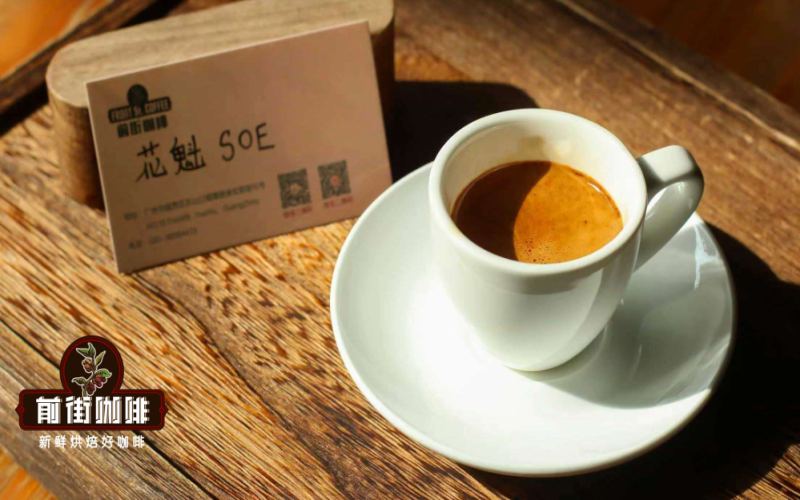
Coffee blend bean plans | What is the difference between single-origin pour-over beans and espresso blend beans? How do you determine the types of espresso blend coffee beans and the blending ratio?
What are blended coffee beans? What is the blending ratio for Front Street Coffee's espresso beans? Which beans are best for blended coffee beans? Recently, a friend asked Front Street Coffee: "Are all coffee beans suitable for making espresso?" No~ not all [more…]
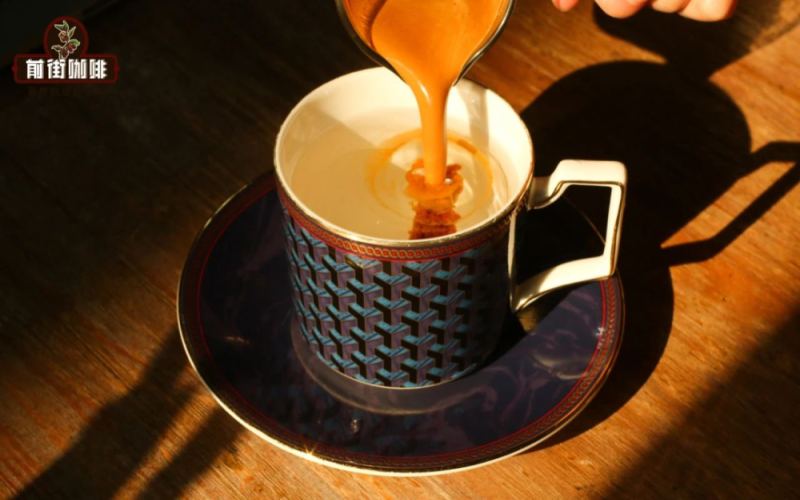
Types of Black Coffee | How Are Pour-Over and Espresso Different? Can Espresso Blend Beans Be Used for Pour-Over? Can Single-Origin Beans Be Used to Extract Espresso?
Coffee is gaining popularity among more and more Chinese people, even somewhat rivaling fast-food tea drinks like milk tea, though consumption groups each have their own preferences. When it comes to coffee, one cannot help but mention pour-over coffee and espresso. Pour-over coffee most often uses single-origin beans, and its unadorned beauty is not crude, [more…]